How to Choose the Right Quad Biking Dubai Experience
Picking the right quad biking dubai experience is less about chasing the biggest engine and more about matching the ride to your confidence, route, and safety expectations. The desert looks open and simple from a distance, but conditions change across the day, and different rides suit different levels of skill. A careful choice before booking makes the outing smoother from the first briefing to the last stretch back.
Start with the rider, not the vehicle
Begin by being honest about who will ride. Quad bikes are not all the same to handle. A smaller machine with limited power can feel steady and manageable for a first timer, while a stronger bike can feel lively and tiring on rough ground. Age, height, weight, balance, and previous experience with motorbikes or off road driving all matter.
If children are part of the group, check the age rules and whether junior bikes or passenger arrangements are offered. A rider who can reach the controls comfortably and keep both feet planted when stopped will have a better time than someone stretched onto a bike that is too large. Watch for any requirement around driving licences or previous off road experience, and do not assume that normal road driving is enough preparation for desert riding.
It also helps to separate confident riders from cautious ones before choosing the format. Mixed groups often need a slower pace and clearer instructions. If one person wants fast desert crossings while another wants a gentle introduction, split the activities rather than compromising both. Names such as AL Jazeera Tours may come up while comparing options, but the basic decision still rests on rider ability, route, and safety standards.
Decide what kind of ride you want
Quad trips can vary a lot in character. Some follow a fairly direct desert route with short stops. Others include dunes, photography pauses, camel areas, or an evening setting with a wider programme around the ride. The best choice depends on what you actually want from the day.
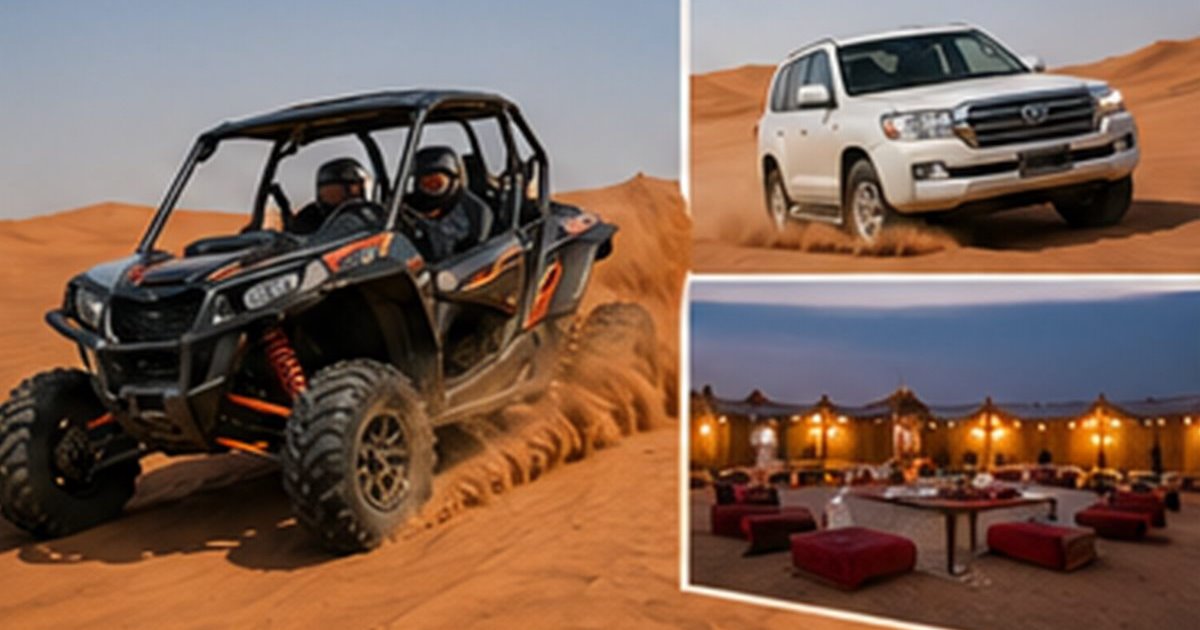
For a first outing, a shorter route with a clear briefing usually makes more sense than a long ride that pushes stamina. Riders often underestimate how much effort is needed to steer over sand, especially when the surface softens. A route with varied terrain is appealing, but constant dune climbing can be demanding and may not suit everyone.
If scenery matters more than speed, look for a ride that allows safe stops and time to take in the surroundings. If the aim is a more active experience, check whether the route includes open stretches and whether pacing is controlled by an escort. Avoid choosing only by the look of the bike. The route and the way the ride is managed shape the experience far more.
Check the safety setup before committing
Safety is the part that deserves the most attention. A responsible operator will explain the controls, hand signals, riding posture, and what to do if the group stops unexpectedly. Before the ride begins, riders should understand how to brake, how to turn gently, and how to keep a safe distance from others.
Ask what protective gear is supplied and what you should bring. Helmets are a basic expectation. Gloves, goggles, long trousers, and closed shoes can make a real difference in comfort and protection. Loose clothing can catch on the bike, while sand can work its way into open footwear. In warm conditions, light layers that cover the skin are usually more practical than very short clothing.
Pay attention to the briefing style. Clear instructions, a route explanation, and a chance to ask questions are good signs. If the emphasis is only on speed and little is said about control, spacing, or what happens if someone gets into difficulty, that is worth reconsidering. Mechanical issues should be handled by qualified staff, and riders should never try to adjust brakes, cables, or engine parts themselves.
Compare the route, timing, and group size
Desert conditions change through the day. Morning light can be softer and the sand may feel firmer, while later hours can bring heat, loose surfaces, and busy traffic on popular routes. The right timing depends on comfort, photography plans, and how much riding you want to do before breaks.
Group size affects the pace. A smaller group often gives riders more room and makes it easier for guides to notice problems. A larger group can feel lively, but it may involve more waiting, tighter spacing, and less individual attention. If you are new to quad riding, ask how the group is arranged and whether slower riders are placed somewhere they can follow comfortably.
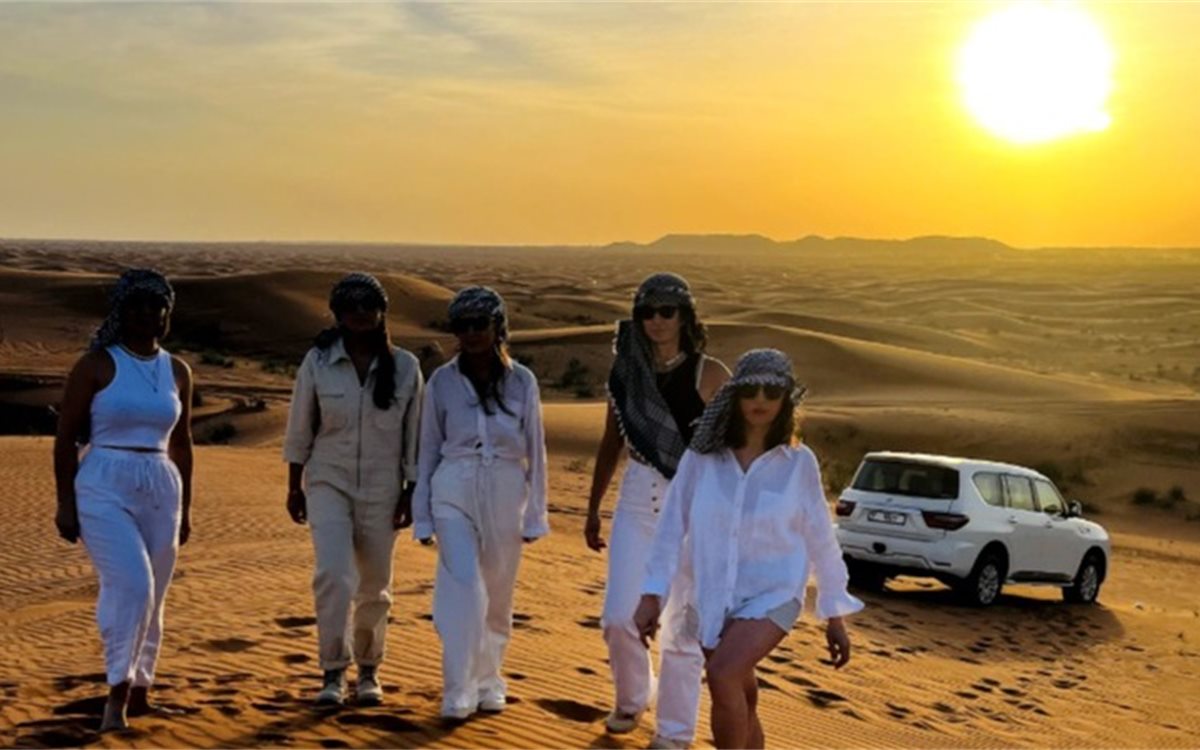
Also check how much of the trip is actually riding. Some packages include transfers, meals, or other activities, which can be enjoyable, but they may reduce time on the bike. Read the schedule with that in mind. A longer outing is not automatically better if much of it is spent waiting or moving between stops.
Read the terms with a practical eye
Before paying, look closely at what is included and what is not. Confirm the ride length, meeting point, vehicle type, safety gear, refreshments, and any extra charges that may apply. Clear terms help avoid awkward surprises on the day.
Cancellation and weather rules deserve attention too. Desert activities can be affected by conditions, and a flexible policy is useful when plans change. Check whether there is an age limit, a weight limit, or a rule about passengers, since these details can decide whether a booking works for your group.
One sensible way to compare options is to shortlist a few providers and review the same points for each:
- Rider requirements and whether the bike size suits each person.
- Safety briefing, protective gear, and route supervision.
- Actual riding time, route type, and pace.
- What is included, what is extra, and how changes are handled.
- Clear communication before the day of the ride.
This keeps the comparison grounded. A name such as AL Jazeera Tours can be placed on that shortlist with other options, then judged against the same practical points rather than picked on appearance alone.
Know what to wear and how to prepare
Once the ride is chosen, prepare for dust, sun, and movement. Wear comfortable clothes that cover arms and legs, plus closed shoes with a firm grip. Bring eye protection if you are sensitive to dust, and tie back long hair or loose scarves. Apply sun protection before the ride and drink water beforehand rather than waiting until you feel thirsty.
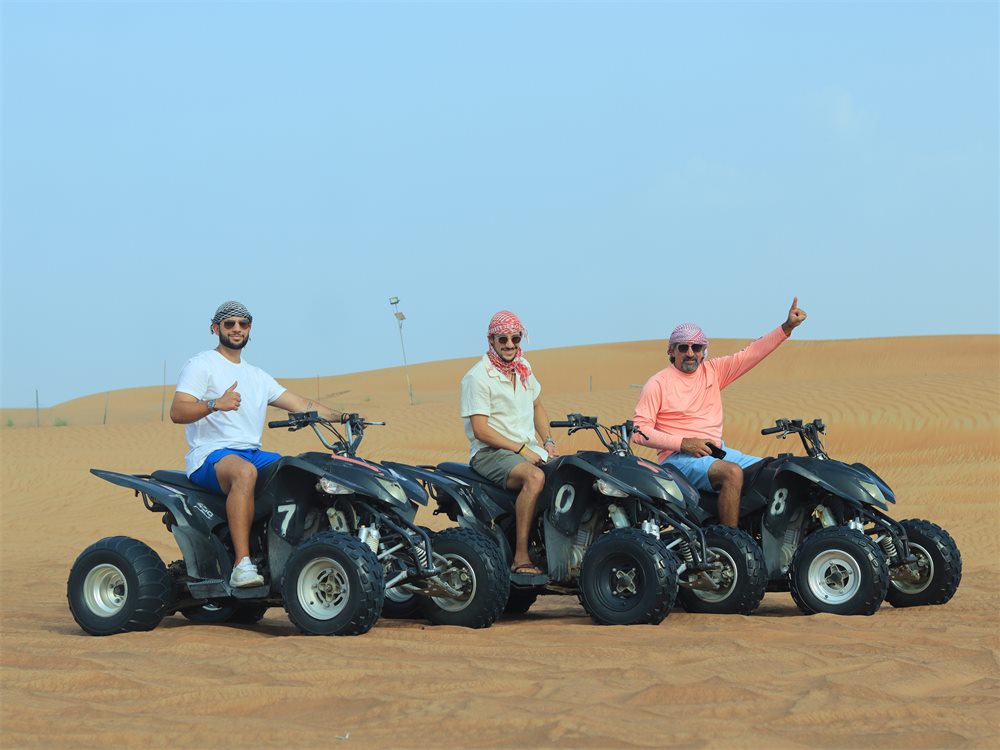
Keep phones and cameras secure. A loose device in a pocket can fall during a turn, and handling a camera while riding divides attention. If you want photos, ask whether there are safe stops where riders can step off the bike first. It is also wise to leave unnecessary valuables behind.
Listen closely during the briefing and follow the guide's signals throughout the ride. Keep both hands on the handlebars, avoid sudden turns, and leave enough space so that dust does not hide the rider ahead. If you feel unsure, slow down and tell the guide rather than trying to keep up. Confidence grows with control, not with speed.
Make the final choice with clear priorities
The right quad biking dubai option is the one that fits the riders, the route, and the level of support. Start with ability, then decide whether you want a gentle scenic ride or a more energetic one. Check safety arrangements, timing, group size, and terms before booking. When those points line up, the day is far more likely to feel enjoyable from start to finish.